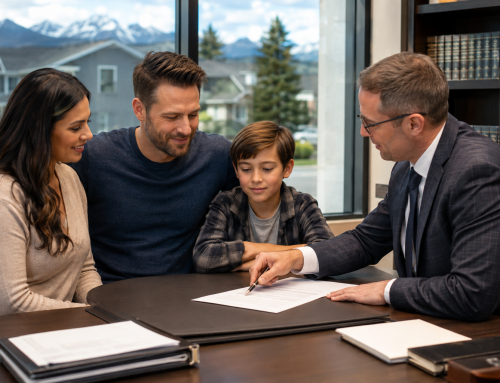


When parents separate or divorce in Alberta, creating a parenting plan is one of the most important steps in protecting the well-being of their children. At Warnock & Associates, an Airdrie law firm with extensive experience in family law, we help clients develop legally sound parenting arrangements that reflect the best interests of the child.
This article explores what parenting plans are, how they work under Alberta law, and why legal guidance is critical during separation.
What Is a Parenting Plan?
A parenting plan is a written agreement that outlines how parents will raise their children after separation or divorce. It includes details such as:
-
Where the children will live (residency and parenting time)
-
How decisions about the child will be made (decision-making responsibility)
-
Schedules for holidays, school breaks, and other special occasions
-
Communication protocols between parents and with the child
-
Transportation and exchange arrangements
-
Methods for resolving future disagreements
In Alberta, parenting plans can be informal agreements or formalized through court orders or consent agreements under the Family Law Act or Divorce Act, depending on the nature of the relationship (married or unmarried parents).
Parenting Plans and Alberta’s Family Law Framework
Alberta law requires that all decisions regarding children be guided by their best interests. Both the Family Law Act (for unmarried or common-law parents) and the Divorce Act (for divorcing spouses) provide legal frameworks for parenting arrangements.
Under the Divorce Act, two key terms are used:
-
Parenting time: The time a child spends in the care of each parent.
-
Decision-making responsibility: The authority to make important decisions about the child’s upbringing (e.g., education, health, religion).
The Family Law Act uses similar terminology, and Alberta courts follow the same guiding principle: the best interests of the child come first.
What Should Be Included in a Parenting Plan?
While every family is unique, a comprehensive parenting plan in Alberta should cover the following:
1. Parenting Schedule
This includes a regular weekly schedule, specifying where the child will reside and on which days. It also outlines:
-
Holiday and vacation schedules
-
School break arrangements
-
Birthdays and special events
2. Decision-Making Responsibility
Parents should clarify whether decision-making will be joint, sole, or divided by topic (e.g., one parent handles health, the other education).
3. Communication Guidelines
Effective communication protocols help reduce conflict. The plan should specify:
-
How parents will communicate (e.g., phone, email, parenting apps)
-
When and how the child can communicate with each parent while in the other’s care
4. Dispute Resolution
A parenting plan can include mediation, counselling, or parenting coordination as methods for resolving disagreements.
5. Transportation & Exchange
To avoid future conflict, the plan should outline who will drop off and pick up the child and where exchanges will occur.
6. Special Circumstances
This may include arrangements for:
-
Out-of-province or international travel
-
Introduction of new partners
-
Emergency medical decisions
Are Parenting Plans Legally Binding in Alberta?
A parenting plan becomes legally enforceable when it is:
-
Included in a consent order approved by the court
-
Part of a separation agreement that has been filed with the court
-
Made into a court order after a hearing
While informal agreements can work when parents are cooperative, they do not offer legal protection if disagreements arise. That’s why it’s advisable to work with a family lawyer to draft or review your parenting plan before it is finalized.
Can a Parenting Plan Be Changed Later?
Yes. Parenting plans can be reviewed and modified when:
-
A parent relocates
-
The child’s needs change
-
One parent is not complying with the plan
-
There’s a significant change in circumstances
If both parents agree to the change, they can submit a revised consent order. If they do not agree, a court application may be necessary.
Do Parenting Plans Differ for Married vs. Unmarried Parents?
Yes, although the substance of the plan may be similar, the applicable legislation differs:
-
Married parents use the Divorce Act, and parenting arrangements are part of divorce proceedings.
-
Unmarried parents use Alberta’s Family Law Act, often through a parenting application.
In both cases, the focus remains on the best interests of the child, but it is important to choose the correct legal process based on your relationship.
Why Legal Guidance Is Essential
Creating a parenting plan can be emotionally challenging. Even in amicable separations, misunderstandings or future conflicts can arise if the plan is vague or incomplete. Legal advice ensures that:
-
Your rights and your child’s needs are protected
-
The agreement is enforceable in Alberta
-
You are prepared for future changes or disputes
At Warnock & Associates, we offer experienced, compassionate support for families navigating separation and parenting issues. We help clients draft, review, and modify parenting plans that are clear, detailed, and legally sound.
How Warnock & Associates Can Help
Located in Airdrie, Alberta, our family law team assists with:
-
Drafting and formalizing parenting plans
-
Modifying existing parenting orders
-
Resolving parenting disputes through negotiation or court
-
Helping unmarried and married parents understand their rights
If you’re facing separation or seeking to update a current plan, we’re here to support you every step of the way.
Conclusion: Putting Your Child’s Best Interests First
A parenting plan is not just a legal document — it’s a roadmap for your child’s well-being. When crafted carefully, it provides clarity, reduces conflict, and ensures your child has the stability they need during a time of transition.
For support with your parenting plan or other family law matters in Alberta, contact Warnock & Associates today.
👉 Learn more about our Family Law services
📍 Visit us in Airdrie: 225 1 Ave NW, Airdrie, AB T4B 2M8
📞 Call us to book a consultation – 403-948-0009