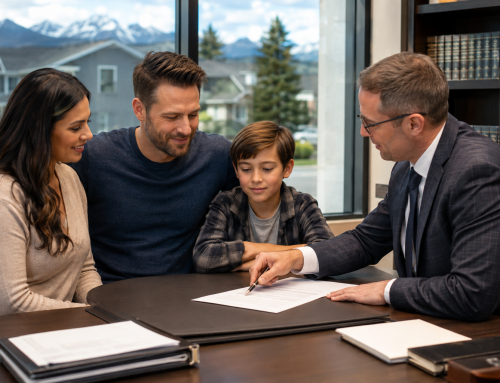


Dower Rights in Alberta can create important legal requirements in real estate transactions where one spouse is the registered owner of a property and the other spouse is not on title. For buyers, sellers, spouses, real estate professionals, lenders, and families, dower rights can affect whether a sale, mortgage, transfer, refinancing, or other property transaction can proceed smoothly. When these rights are missed or misunderstood, a real estate transaction may face delays, rejected documents, closing complications, or legal risk.
Warnock & Associates provides real estate legal services for clients in Airdrie, Calgary, Rocky View, and surrounding Alberta communities. The firm assists with real estate transactions, title transfers, purchase and sale agreements, financing documents, land title matters, dower releases, family law related transfers, and related property concerns.
For Alberta property owners, dower rights should never be treated as a minor paperwork issue. They exist to protect a spouse’s legal interest in a homestead. If the requirements apply, the transaction may need proper consent, an affidavit, a release, or in some circumstances, further legal steps before land title documents can be accepted and the transaction can move forward.
What Are Dower Rights in Alberta?
Dower rights are legal rights that may apply to a married spouse’s interest in a homestead. In practical terms, these rights can protect a spouse who is not registered on title from losing an interest connected to the family home or homestead without proper consent.
A common situation is where one spouse owns the home in their name alone. The property may still be a homestead, even though the other spouse is not listed as an owner on title. If the titled spouse wants to sell, transfer, mortgage, lease, refinance, or otherwise deal with the property, dower requirements may need to be addressed.
Dower issues often arise during:
• Residential home sales
• Mortgage refinancing
• Title transfers
• Estate related property transfers
• Separation or divorce related property transfers
• Family law related transfers
• Sale of acreage or rural property
• Real estate transactions involving one spouse on title
• Transactions where marital status or occupancy history is unclear
Dower rights are specific and fact dependent. They should be reviewed carefully before signing documents, setting closing expectations, or assuming a transaction can proceed without spousal involvement.
Why Dower Rights Matter in Real Estate Transactions
Real estate transactions in Alberta are document driven and deadline sensitive. A buyer may need financing completed by a specific date. A seller may need closing funds to purchase another property. A lender may need mortgage documents registered. Real estate professionals may be coordinating possession, keys, conditions, and final walkthroughs.
If dower rights are discovered late, the transaction can become more complicated.
The issue is not only whether a spouse agrees in principle. The issue is whether the required documentation is completed correctly and whether the Land Titles requirements are satisfied. If the correct dower documents are missing, incomplete, improperly signed, or inconsistent with the transaction, registration may be delayed or rejected.
That can affect:
• Closing timelines
• Mortgage funding
• Possession dates
• Buyer and seller obligations
• Contract performance
• Lender requirements
• Legal risk for the parties
A real estate lawyer can help identify whether dower applies, what document is required, and how the issue should be handled before closing.
When Dower Rights May Apply
Dower Rights in Alberta may be relevant where a married person owns land and the spouse is not on title. They are especially important where the property has been used as a homestead during the marriage.
A homestead is not always limited to a typical city home. Depending on the facts, dower issues may arise with different types of land, including residential properties, acreages, farm related land, or other property connected to family residence.
Dower concerns often arise when:
• The title shows only one spouse as registered owner
• The owner is married
• The property has been occupied by the spouses during the marriage
• The property is being sold, mortgaged, transferred, leased, or refinanced
• There is uncertainty about whether the spouse has signed the correct consent or release
• A lender, buyer, seller, realtor, or lawyer asks for dower documentation before closing
These questions should be answered early in the transaction. Waiting until signing day can create avoidable pressure and may place the closing timeline at risk.
Dower Consent, Dower Affidavit, and Release of Dower Rights
Several types of documents may come up when dower requirements are being addressed. The correct document depends on the transaction and the facts.
Dower Consent
Dower consent may be required where the titled spouse is disposing of an interest in the homestead and the spouse who is not on title must consent to that specific transaction.
This is common in a sale, mortgage, or other real estate disposition where one spouse is on title and the other spouse is not. The purpose is to confirm that the spouse understands and agrees to the disposition.
Dower Affidavit
A dower affidavit may be used where the person signing land title documents confirms why dower requirements do not prevent the transaction. For example, the person may state that they are not married, that neither spouse has resided on the land during the marriage, or that a release of dower rights has already been registered.
The affidavit should be accurate. A false or careless affidavit can create serious problems. A person should not guess, assume, or sign without understanding the statement being made.
Release of Dower Rights
A release of dower rights may be used where a spouse gives up their dower rights in the land. This can be an important legal document because it may affect the spouse’s future rights connected to the property.
A spouse should understand what they are giving up before signing. A release should not be treated as a simple administrative form. It can have real legal consequences.
Why Legal Advice Is Important Before Signing
Dower documents can affect significant property rights. A spouse who signs a release or consent may be allowing a transaction that affects their legal interest in the property. A titled spouse may face delays if they do not understand when dower applies. A buyer or lender may face closing issues if the transaction documents are incomplete.
Legal advice can help clarify:
• Whether dower rights apply
• Whether the property is a homestead
• Whether consent is required
• Whether a dower affidavit is appropriate
• Whether a release of dower rights is being requested
• Whether the spouse understands the effect of signing
• Whether documents have been signed correctly
• Whether Land Titles requirements have been met
• Whether family law issues may also be involved
• Whether the transaction can proceed without delay
Warnock & Associates assists with real estate transactions and related legal documentation for clients in Airdrie, Calgary, Rocky View, and surrounding Alberta communities. That local legal support matters because real estate transactions often involve multiple deadlines, lender requirements, title requirements, and practical closing issues.
Dower Rights and Married Spouses
Dower rights are tied to marriage. This is important because people sometimes confuse dower rights with broader family property rights, common law relationship rights, or adult interdependent partner property claims.
The dower issue is generally about married spouses and homestead rights. Other relationships may involve different legal considerations, especially if the parties are separating, dividing property, transferring title, or dealing with family property claims.
Because different laws may apply depending on the relationship, title history, occupancy, and transaction type, legal advice is important. A person should not assume that dower applies in every relationship. A person should also not assume that dower does not apply simply because only one spouse is on title.
Common Real Estate Situations Where Dower Issues Arise
Dower rights may arise in everyday Alberta real estate transactions. The problem is that the issue is often discovered late, when closing documents are already being prepared.
Selling a Home
If one spouse owns the home alone and the property is a homestead, the spouse who is not on title may need to provide proper consent before the sale can proceed. If this is not addressed early, the seller may face closing delays.
Refinancing or Mortgaging Property
Dower requirements may also arise when property is being mortgaged or refinanced. A lender may require confirmation that the spouse has consented or that dower does not apply.
Transferring Title Between Spouses
Title transfers between spouses may occur during estate planning, separation, divorce, refinancing, or family restructuring. These transfers should be reviewed carefully because dower, family property, tax, estate, and financing issues may overlap.
Estate Related Transfers
A property owner’s death may create estate administration issues involving the home, surviving spouse rights, title transfer, and estate documents. These matters may require coordination between real estate law and estate law.
Rural Property and Acreages
Dower issues can be more complex for acreages, farm related properties, and larger parcels of land. The land may include a residence, outbuildings, agricultural use, or multiple title related issues. Legal review can help identify what is relevant before documents are signed.
Why Dower Issues Can Delay Closing
Closing a real estate transaction depends on clean, complete, and registerable documents. If dower requirements are missed, a transaction may not close on time.
Common reasons for delay include:
• The seller did not disclose marital status accurately
• The spouse who is not on title was not available to sign
• The wrong document was prepared
• The affidavit does not match the facts
• The spouse does not understand the document
• The release or consent was not properly completed
• The lawyer needs more information about occupancy
• The lender requires additional confirmation
• Land Titles requirements are not satisfied
These delays can be costly. They may affect possession, financing, moving arrangements, sale proceeds, and related transactions.
Questions to Ask Before Signing Real Estate Documents
Before signing documents involving a property owned by one spouse, the parties should consider several practical questions.
• Is the registered owner married?
• Is the spouse listed on title?
• Has either spouse lived on the property during the marriage?
• Is the property being sold, transferred, mortgaged, leased, or refinanced?
• Has the spouse who is not on title signed the required consent?
• Is a dower affidavit being used?
• Has a release of dower rights been signed or registered?
• Does the spouse understand the legal effect of signing?
• Are there family law issues connected to the transfer?
• Have all Land Titles requirements been addressed?
These questions should be handled before the closing date, not at the last minute.
How Warnock & Associates Can Help
Warnock & Associates provides real estate transaction support for clients in Airdrie, Calgary, Rocky View, and surrounding Alberta communities. The firm assists with title transfers, purchase and sale agreement review, lease agreement review, financing documents, land title reviews, registration and discharge of caveats, real estate dispute resolution, foreclosure matters, estate related transfers, dower releases, and family law related transfers.
Dower issues may involve more than a single signature. They may connect to the purchase contract, title, marital status, family law issues, estate planning, lender requirements, or Land Titles registration. A local real estate lawyer can help determine what is required and prepare the correct documentation.
Protect the Transaction Before Closing
Dower Rights in Alberta can affect real estate transactions in practical and time sensitive ways. If the requirements apply, proper consent, an affidavit, a release, or additional legal steps may be needed before the transaction can proceed. Missing those requirements can delay closing, create stress, and increase legal risk.
For buyers, sellers, spouses, real estate professionals, lenders, and families, the best approach is to address dower rights early. A clear legal review can help confirm whether dower applies, what documents are required, and how the transaction should move forward.
Warnock & Associates assists clients with real estate transactions, dower releases, title transfers, family law related transfers, financing documents, and other Alberta real estate matters. To discuss dower rights or real estate legal support, contact Warnock & Associates or review the firm’s full practice areas.