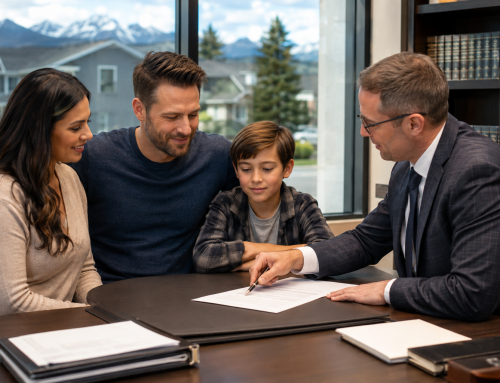


A Comprehensive Guide to Personal Injury Claims in Alberta is essential reading for anyone who has suffered an injury caused by another party’s negligence. Personal injury law in Alberta is governed by well established legal principles, strict limitation periods, and a structured civil litigation process. Understanding how these claims work can help injured individuals protect their legal rights, pursue fair compensation, and avoid costly procedural mistakes. This guide explains how personal injury claims operate in Alberta, what must be proven, what compensation may be available, and how the legal process typically unfolds.
Understanding Personal Injury Claims in Alberta
A personal injury claim in Alberta is a civil legal action brought by an injured person against another individual, business, or organization whose actions or omissions caused harm. These claims are based on tort law, most commonly negligence. Negligence occurs when a party fails to meet the standard of care expected in the circumstances, and that failure results in injury or loss to another person.
Personal injury claims can arise from many situations, including motor vehicle accidents, slip and fall incidents, unsafe property conditions, defective products, medical errors, and other scenarios where reasonable care was not exercised. In each case, the injured party must demonstrate that the defendant’s conduct caused measurable harm.
The Legal Foundations of Personal Injury Law in Alberta
Personal injury claims in Alberta rely on core principles of Canadian tort law. To succeed, a claimant must establish four essential elements. First, the defendant owed a duty of care to the claimant. Second, the defendant breached that duty by acting unreasonably or failing to act when required. Third, the breach caused the injury. Fourth, the claimant suffered damages as a result.
Courts examine these elements carefully. Even when an injury is serious, compensation is not automatic. Evidence must show that the defendant’s conduct directly contributed to the harm suffered. Medical records, witness statements, expert opinions, and accident documentation often play a critical role in proving liability.
Limitation Periods Under Alberta Law
One of the most important aspects of any personal injury claim is timing. Alberta’s Limitations Act sets strict deadlines for starting a lawsuit. In most cases, an injured person has two years from the date they knew, or reasonably ought to have known, that an injury occurred, that it was caused by another party’s conduct, and that it warrants legal action.
This two year limitation period is strictly enforced. If a claim is not commenced within the required timeframe, the right to pursue compensation may be permanently lost. Alberta law also includes an ultimate limitation period of ten years from the date of the incident, regardless of when the injury was discovered. Once this ultimate deadline passes, legal action is generally barred.
Because limitation periods can vary depending on the circumstances, obtaining legal advice as early as possible is critical.
Types of Compensation Available in Alberta Personal Injury Claims
Compensation in Alberta personal injury claims is designed to place the injured person in the position they would have been in had the injury not occurred, to the extent that money can do so. Damages are typically divided into two broad categories.
Special damages compensate for quantifiable financial losses. These may include medical and rehabilitation expenses, prescription costs, assistive devices, lost income, reduced earning capacity, and other out of pocket expenses directly related to the injury.
General damages compensate for non economic losses such as pain and suffering, loss of enjoyment of life, and emotional distress. While these damages are more subjective, courts consider factors such as the severity of the injury, the permanence of symptoms, and the impact on daily activities.
In Canada, including Alberta, there is a judicially established cap on general damages for pain and suffering in cases involving catastrophic injury. This cap does not limit compensation for medical expenses, income loss, or future care needs.
The Personal Injury Claim Process in Alberta
The personal injury claim process typically begins with immediate medical treatment and documentation of injuries. Medical records are essential, not only for health reasons but also for establishing the extent and cause of the injury.
After seeking treatment, injured individuals often consult a personal injury lawyer to assess whether a viable claim exists. Legal counsel can evaluate liability, gather evidence, identify potential defendants, and explain the available legal options.
Many claims involve negotiations with insurance companies or opposing parties before a lawsuit is filed. These discussions aim to resolve the matter through settlement without court involvement. Settlement can save time, reduce costs, and provide certainty, but only if the compensation offered reflects the true value of the claim.
If settlement cannot be reached, a formal lawsuit is initiated by filing a Statement of Claim in the appropriate Alberta court. The litigation process may include document disclosure, examinations for discovery, expert reports, and additional negotiations. While some cases proceed to trial, many are resolved before reaching that stage.
The Role of Evidence in Injury Claims
Evidence is central to every personal injury claim. Medical documentation establishes the nature and severity of injuries. Accident reports, photographs, and witness statements help prove how the incident occurred. Expert opinions may be required to explain causation, long term prognosis, or future care needs.
In Alberta, courts expect claims to be supported by credible, well organized evidence. Inconsistent records or delayed treatment can weaken a case. This is why prompt medical attention and careful documentation are strongly advised following an injury.
Why Legal Representation Matters
Personal injury law involves procedural rules, evidentiary standards, and strategic decisions that can significantly affect the outcome of a claim. Experienced legal counsel understands Alberta’s court system, limitation periods, and negotiation practices.
A lawyer can ensure that claims are filed correctly, deadlines are met, and compensation is pursued across all applicable categories of loss. Legal representation also helps balance the power dynamic between injured individuals and insurance companies, which often have substantial resources and experience managing claims.
As one Alberta personal injury law professional has observed, “Under Alberta’s civil justice system, establishing negligence and complying with limitation periods are essential steps in securing compensation. Legal counsel plays a critical role in guiding injured individuals through both settlement negotiations and court proceedings.”
Common Mistakes to Avoid
One of the most common mistakes injured individuals make is waiting too long to seek legal advice. Delay can result in missed limitation periods, lost evidence, or weakened claims. Another frequent issue is accepting early settlement offers without understanding the long term impact of injuries or future care costs.
Failing to follow medical advice, underreporting symptoms, or providing inconsistent information can also harm a claim. Alberta courts and insurers carefully assess credibility, and inconsistencies may be used to challenge compensation claims.
A Comprehensive Guide to Personal Injury Claims in Alberta
A Comprehensive Guide to Personal Injury Claims in Alberta highlights the importance of understanding your legal rights, obligations, and deadlines after an injury. Alberta law provides mechanisms for injured individuals to seek compensation, but success depends on timely action, strong evidence, and informed legal strategy.
Personal injury claims are not only about financial recovery. They are also about accountability, ensuring that negligent conduct is addressed and that injured individuals receive the support they need to move forward.
Moving Forward After an Injury
If you have been injured due to someone else’s negligence, understanding the personal injury claim process in Alberta is the first step toward protecting your rights. From limitation periods to compensation categories, each aspect of the process plays a role in the outcome of a claim.
Seeking professional legal guidance early can help ensure that your claim is handled correctly and that you are positioned to pursue fair and lawful compensation under Alberta’s civil justice system.